



Maths behind ML Algorithms (Logistic Regression and gradient descent)
Author(s): Atharv Tembhurnikar Originally published on Towards AI. Logistic Regression is a supervised machine learning algorithm used for classification problems. Unlike linear regression which predicts continuous values it predicts the probability that an input belongs to a specific class. → It is …
Part 1 -Model Context Protocol (MCP) Fundamentals
Author(s): Fernando Prieto Originally published on Towards AI. Photo by JB on Unsplash I recently built an MCP server in Kotlin that acts as an HTTP client you can control with natural language. It connects with tools like Cursor and Claude, and …
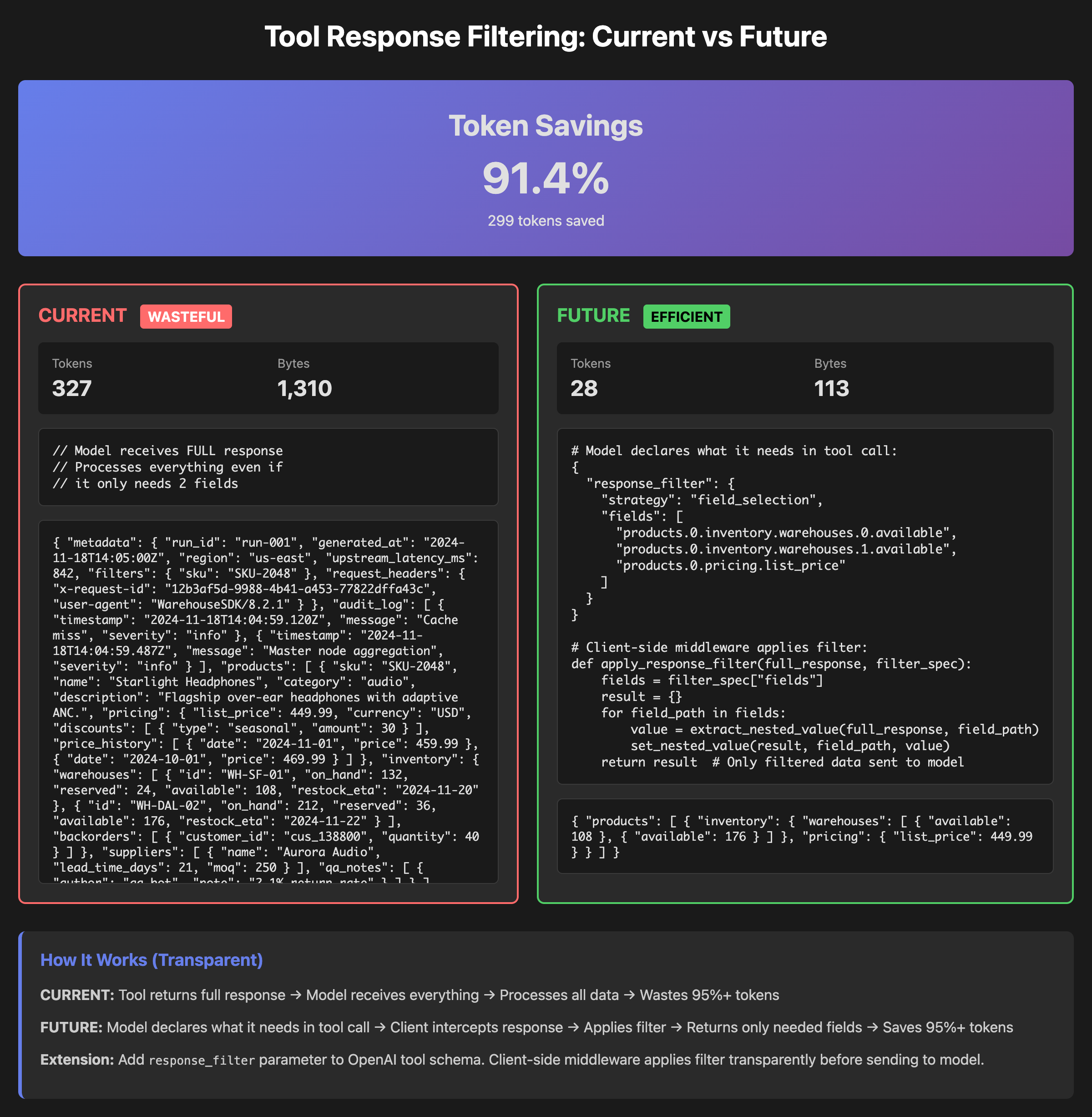
Making Agentic Tool Usage 91% More Efficient: With JSON Response Filtering
Author(s): AI Rabbit Originally published on Towards AI. Making Agentic Tool Usage 91% More Efficient: With JSON Response Filtering Agentic systems call tools. Those tools return giant JSON blobs designed for booking engines, dashboards, or backend services — not for LLMs. The …
Replacing Classical Forecasting With Deep Learning Transformers
Author(s): Rashmi Originally published on Towards AI. Understanding the shift from classical ways to Transformer-based time series forecasting Time-series forecasting has always been a critical component of finance, e-commerce, mobility, healthcare, manufacturing, and climate modeling. For decades, classical statistical models like ARIMA, …

Why Multi-Agent Systems Are The Future Of Software Development
Author(s): Rashmi Originally published on Towards AI. Why Multi-Agent Systems Are The Future Of Software Development Multi-Agent Systems (MAS) are software architectures where multiple autonomous agents collaborate, communicate, and coordinate to solve complex problems that are difficult or impossible for a single …
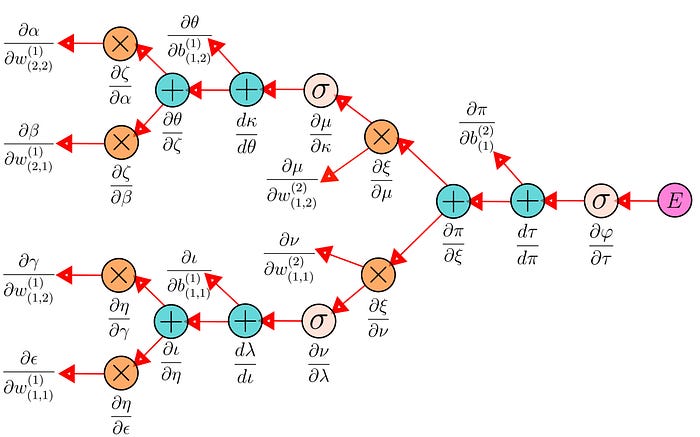
PyTorch Autograd: Automatic Differentiation Explained
Author(s): Alok Choudhary Originally published on Towards AI. PyTorch Autograd: Automatic Differentiation Explained PyTorch Autograd is the backbone of PyTorch’s deep learning ecosystem, providing automatic differentiation for all tensor operations. This feature eliminates the need for manually deriving gradients, which is essential …

PyTorch Dataset and DataLoader: Theory, Concepts, and Workflow
Author(s): Alok Choudhary Originally published on Towards AI. PyTorch Dataset and DataLoader: Theory, Concepts, and Workflow Efficient data handling is the backbone of deep learning. In PyTorch, the Dataset and DataLoader classes provide a structured way to load, preprocess, and iterate over …
PyTorch ANN Development: Building, Optimizing, and Hyperparameter Tuning
Author(s): Alok Choudhary Originally published on Towards AI. PyTorch ANN Development: Building, Optimizing, and Hyperparameter Tuning Artificial Neural Networks (ANNs) are the foundation of modern deep learning. PyTorch makes it straightforward to design, train, and improve ANNs, while also offering flexibility to …
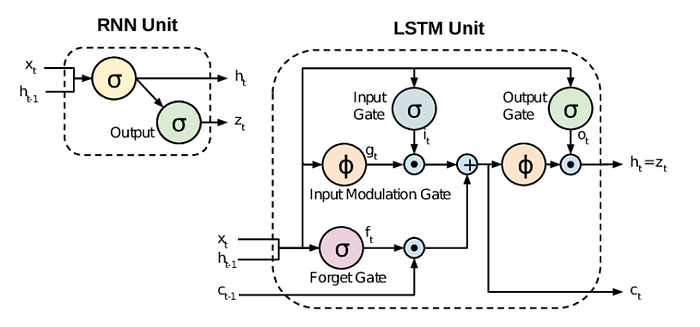
LSTMs with PyTorch with an Example Application
Author(s): Alok Choudhary Originally published on Towards AI. No subtitle available Long Short-Term Memory networks (LSTMs) are one of the most important architectures in deep learning for handling sequential data. Whether it’s language, time series, or speech, LSTMs solve a fundamental problem …
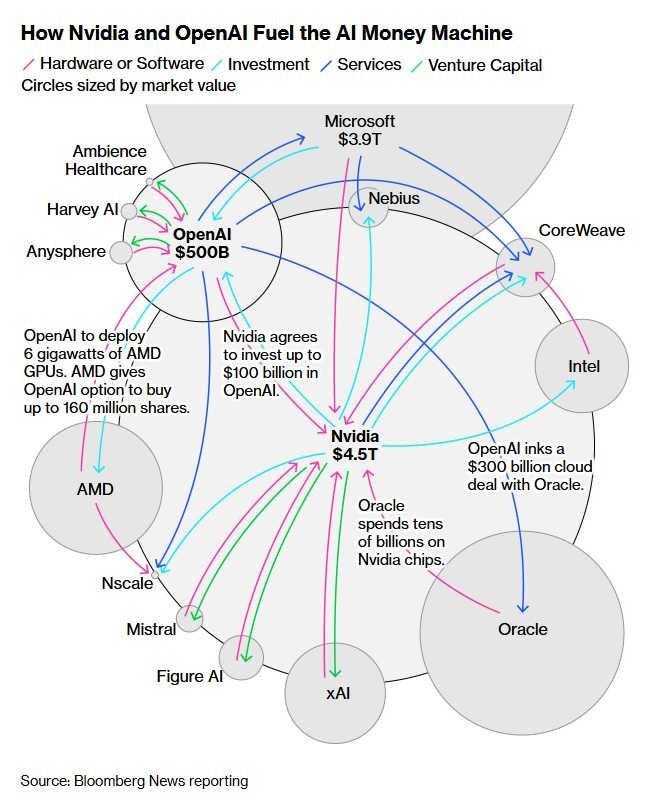
The AI Bubble Is in the Wrong Place: Why Vertical AI/Integrators Will Win the Next Decade
Author(s): Ina Hanninger Originally published on Towards AI. The latest AI boom has pushed valuations into territory we’ve only seen a handful of times in modern market history. At $5 trillion, Nvidia has become the most valuable company in the world, and …

Tensors in Machine Learning: The Clearest Explanation You’ll Ever Read (ML Chapter-1)
Author(s): Sayan Chowdhury Originally published on Towards AI. If you’ve ever opened a machine learning textbook or played with a deep-learning framework, you’ve seen the word tensor pop up everywhere. It sounds intimidating. It feels mathematical. And everyone seems to assume you …
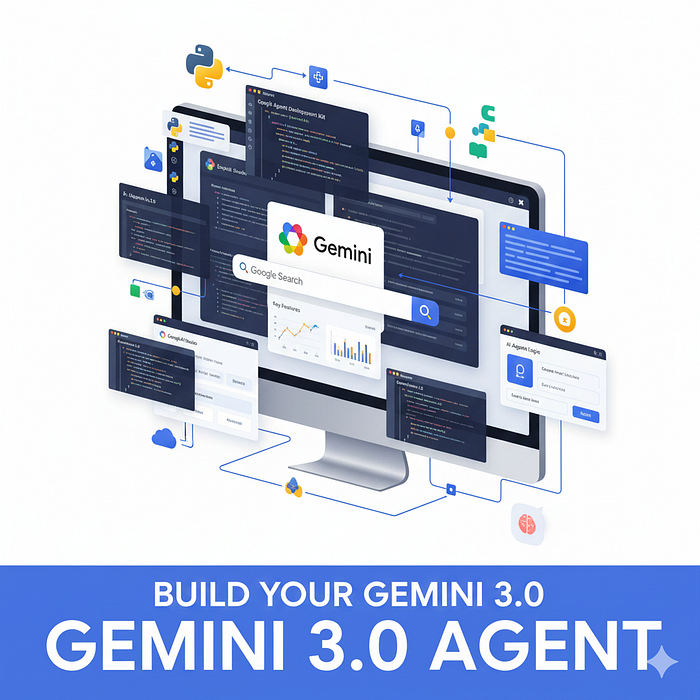
Simple guide to build a Google Search AI Agent with Gemini 3.0
Author(s): Sohail Mohammed Originally published on Towards AI. Simple guide to build a Google Search AI Agent with Gemini 3.0 Well, the internet is officially broken in the best possible way. Ever since Gemini 3.0 dropped its record-smashing benchmarks, the development world …
CPU Architectures for Developers
Author(s): Ganesh Bajaj Originally published on Towards AI. CPU Architectures for Developers As a developer, you’ll sooner or later need to understand CPU architectures — whether you’re writing low-level code, optimizing performance, compiling for different targets, or choosing hardware for a product. …
The Prompting Language Every AI Engineer Should Know: A BAML Deep Dive
Author(s): Lorre Atlan, PhD Originally published on Towards AI. What is BAML? As LLM applications move to production, developers face a critical challenge: LLMs frequently generate malformed JSON and unparseable outputs, leading to application failures and degraded user experiences. BAML addresses this …
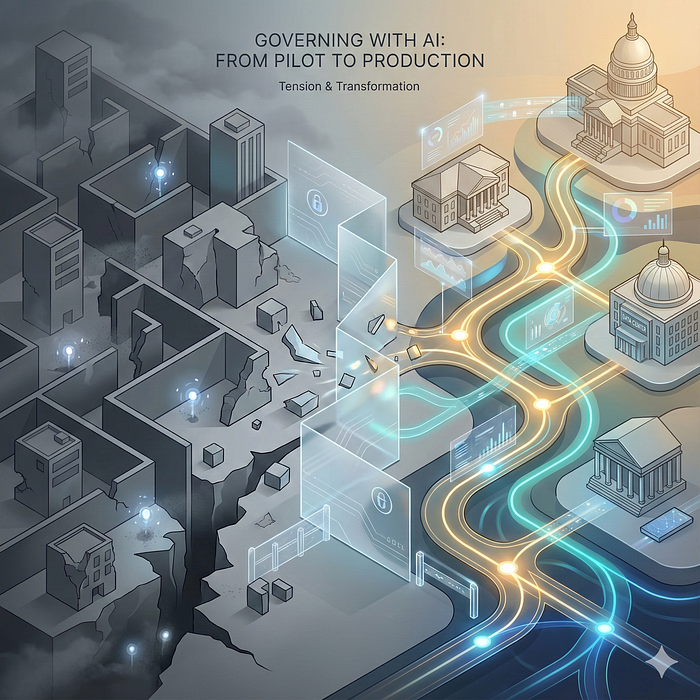
Governing with AI: From Pilot Purgatory to Public Purpose
Author(s): Cezary Gesikowski Originally published on Towards AI. What 200 Government AI Use Cases Reveal About Moving from Aspiration to Action The conference room in Brussels was packed with senior public servants, each clutching a glossy national AI strategy document. Yet as …
Recent Posts


