Why are AI Products Doomed to Fail?
Last Updated on November 18, 2023 by Editorial Team
Author(s): Jeremy Arancio
Originally published on Towards AI.
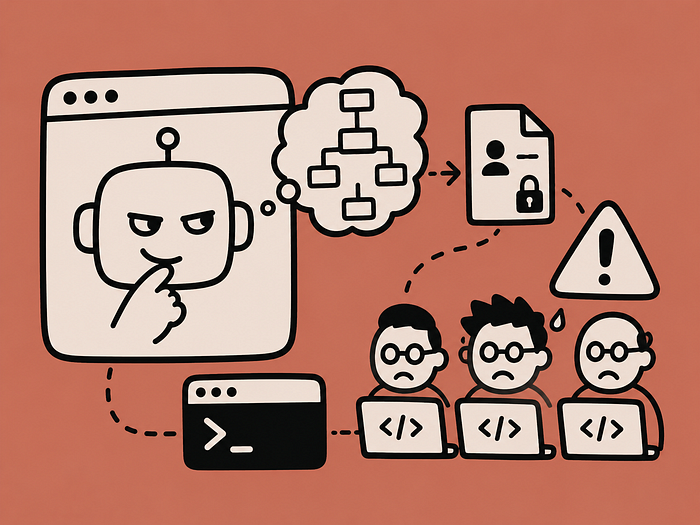
After one year of implementing AI features for various businesses, I share my perspective on the mistakes I see companies making with LLMs, but also which strategy to adopt.
2023 has been the year of massive achievement in artificial intelligence, especially in Natural Language Processing with Large Language Models (LLMs).
With the apparition of Generative AI and the impressive performance that came with it, most companies revised their strategy to get AI in their product.
In addition, start-ups with the term “AI” embedded in their name have been emerging in all domains with one main goal: finding a problem that GenAI could solve.
We entered an era of AI hype: which company will produce the best open-source LLM — have the best product demo video on Twitter — and replace all its… Read the full blog for free on Medium.
Join thousands of data leaders on the AI newsletter. Join over 80,000 subscribers and keep up to date with the latest developments in AI. From research to projects and ideas. If you are building an AI startup, an AI-related product, or a service, we invite you to consider becoming a sponsor.
Published via Towards AI
Towards AI Academy
We Build Enterprise-Grade AI. We'll Teach You to Master It Too.
15 engineers. 100,000+ students. Towards AI Academy teaches what actually survives production.
Start free — no commitment:
→ 6-Day Agentic AI Engineering Email Guide — one practical lesson per day
→ Agents Architecture Cheatsheet — 3 years of architecture decisions in 6 pages
Our courses:
→ AI Engineering Certification — 90+ lessons from project selection to deployed product. The most comprehensive practical LLM course out there.
→ Agent Engineering Course — Hands on with production agent architectures, memory, routing, and eval frameworks — built from real enterprise engagements.
→ AI for Work — Understand, evaluate, and apply AI for complex work tasks.
Note: Article content contains the views of the contributing authors and not Towards AI.
Related posts
Recent Posts