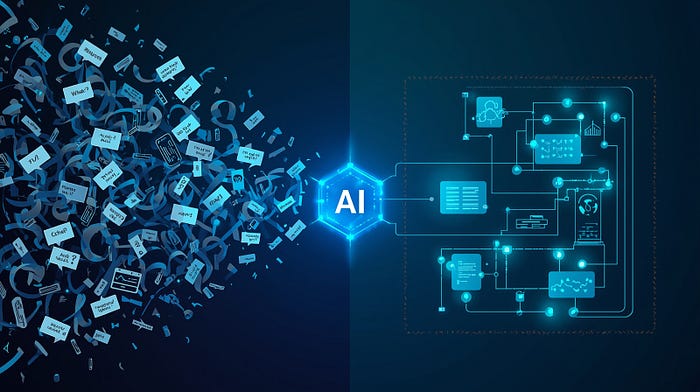
How Production AI Systems Parse Millions of Messy User Queries
Author(s): Sai Kumar Yava Originally published on Towards AI. User queries are messy. They arrive riddled with typos, dripping with ambiguity, missing critical context, or loaded with assumptions that only make sense in the user’s head. Yet these imperfect queries are the …

TAI #180: DeepMind Pulling Ahead in the AI Race with Gemini 3.0 Pro and Nano Banana Pro?
Author(s): Towards AI Editorial Team Originally published on Towards AI. What happened this week in AI by Louie This week, DeepMind finally released the much-anticipated Gemini 3.0 Pro, which sailed into the lead on multiple measures. There is much discussion about whether …
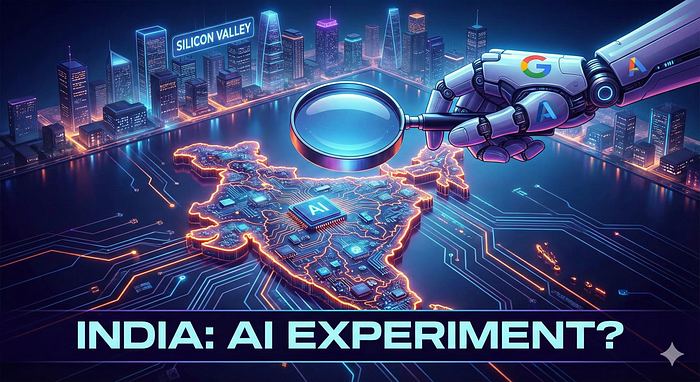
Is India Just the Guinea Pig for Silicon Valley’s AI Ambitions?
Author(s): INDRANIL BANERJEE Originally published on Towards AI. We provide the data; they own the models. Decoding the massive gap between India’s “AI Superpower” dreams and the ground reality A few days back I got a notification that I can avail the …
Sick of Pricey Flights? Google’s AI Just Became Your Personal Deal, Hunter
Author(s): Akhilesh Yadav Originally published on Towards AI. Smarter Travel, Smarter Savings Photo by Anete Lūsiņa on Unsplash Discover how Google’s AI-powered Flight Deals tool is revolutionizing air travel, putting more money back in your pocket, and transforming the aviation landscape as …

Maths behind ML Algorithms (Logistic Regression and gradient descent)
Author(s): Atharv Tembhurnikar Originally published on Towards AI. Logistic Regression is a supervised machine learning algorithm used for classification problems. Unlike linear regression which predicts continuous values it predicts the probability that an input belongs to a specific class. → It is …
Part 1 -Model Context Protocol (MCP) Fundamentals
Author(s): Fernando Prieto Originally published on Towards AI. Photo by JB on Unsplash I recently built an MCP server in Kotlin that acts as an HTTP client you can control with natural language. It connects with tools like Cursor and Claude, and …
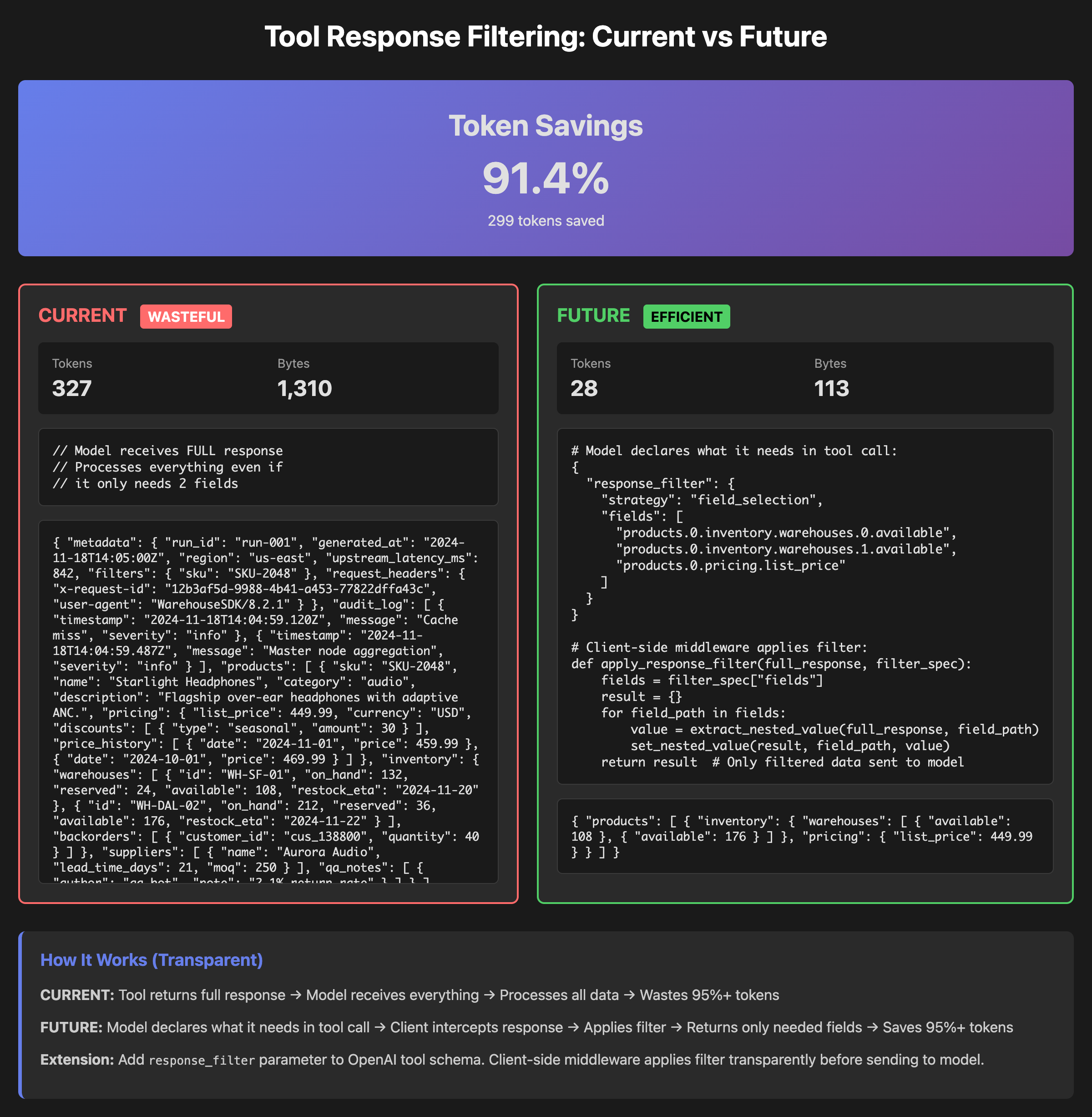
Making Agentic Tool Usage 91% More Efficient: With JSON Response Filtering
Author(s): AI Rabbit Originally published on Towards AI. Making Agentic Tool Usage 91% More Efficient: With JSON Response Filtering Agentic systems call tools. Those tools return giant JSON blobs designed for booking engines, dashboards, or backend services — not for LLMs. The …

Replacing Classical Forecasting With Deep Learning Transformers
Author(s): Rashmi Originally published on Towards AI. Understanding the shift from classical ways to Transformer-based time series forecasting Time-series forecasting has always been a critical component of finance, e-commerce, mobility, healthcare, manufacturing, and climate modeling. For decades, classical statistical models like ARIMA, …

Why Multi-Agent Systems Are The Future Of Software Development
Author(s): Rashmi Originally published on Towards AI. Why Multi-Agent Systems Are The Future Of Software Development Multi-Agent Systems (MAS) are software architectures where multiple autonomous agents collaborate, communicate, and coordinate to solve complex problems that are difficult or impossible for a single …
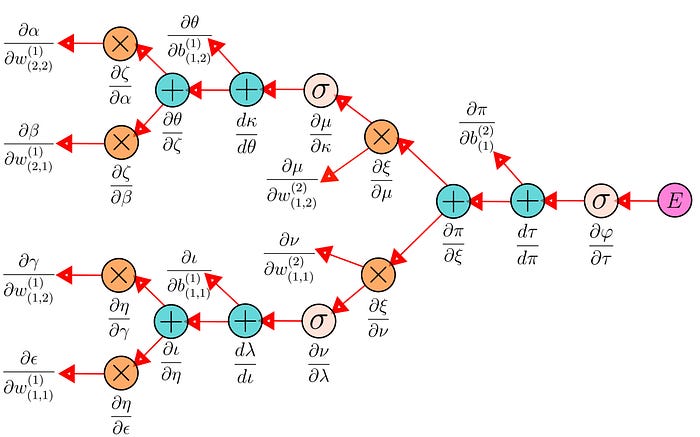
PyTorch Autograd: Automatic Differentiation Explained
Author(s): Alok Choudhary Originally published on Towards AI. PyTorch Autograd: Automatic Differentiation Explained PyTorch Autograd is the backbone of PyTorch’s deep learning ecosystem, providing automatic differentiation for all tensor operations. This feature eliminates the need for manually deriving gradients, which is essential …
Recent Posts